Commercial Damage Restoration Company Serving New York
Commercial Damage Restoration and Repair in New York City
Commercial Water, Fire and Mold Damage Restoration in New York, NY
Cotton Global Disaster Solutions has been responding to commercial property damage events since 1996. We serve New York City businesses around the clock, providing New York commercial damage restoration and repair services for water, fire, mold and storm losses across all five boroughs. From financial services operations in the Financial District and Midtown to healthcare facilities throughout the outer boroughs and the manufacturing and industrial base across Queens and the Bronx, our team deploys with commercial-scale equipment and the coordination needed to limit your downtime and return your property to pre-loss condition. With state-of-the-art technology and turnkey restoration solutions, you can rest assured your New York City facility will receive professional service whenever you need it.
Commercial Water Damage Restoration in New York, NY
New York City's commercial water damage risk is shaped by two forces that are unique to this market. The first is the city's building stock. New York contains more pre-war commercial buildings than any other city in the country, and the original plumbing, steam heating systems and cast iron pipes in those structures create a water damage exposure that modern commercial buildings simply do not have. Pipe failures in above-ceiling mechanical spaces and within original wall assemblies can spread undetected through a building for hours before water reaches a visible surface, and the density of the urban environment means a water loss on one floor can affect multiple tenant spaces on floors above and below before building management identifies the source. The second force is storm surge. Superstorm Sandy made landfall on October 29, 2012 and drove a historic storm surge into New York Harbor that inundated Lower Manhattan, Red Hook, Coney Island, Far Rockaway and large portions of Staten Island. Commercial properties in basement and ground-floor spaces throughout the affected corridors sustained catastrophic losses and the total damage to New York City exceeded $19 billion. Hurricane Ida's remnants produced a separate and distinct commercial water loss event in September 2021 when record rainfall overwhelmed the city's drainage infrastructure and flooded commercial spaces and subway stations across all five boroughs with no storm surge involved. New York commercial water mitigation requires experience with both the structural complexity of pre-war commercial buildings and the full range of flood sources the city faces.
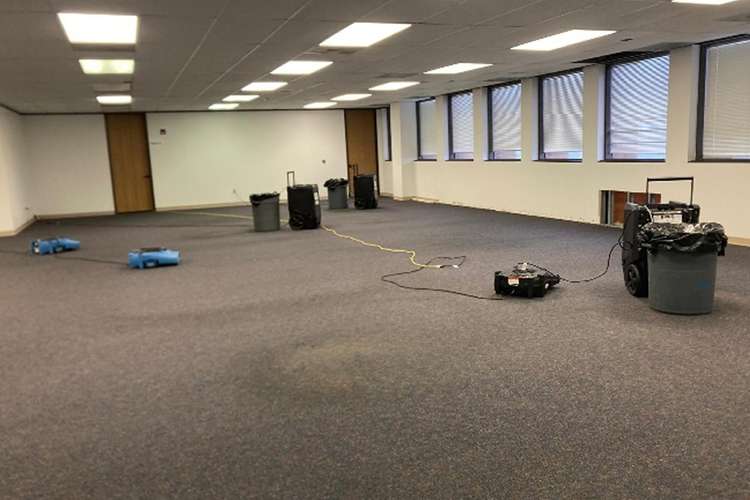
When we respond to a New York commercial water damage restoration or commercial water mitigation call, we extract standing water, map moisture throughout the structure using calibrated instruments and begin active drying with industrial equipment immediately. We document every condition throughout the process to support your insurance claim and deliver a full moisture log at project close.
Water Extraction: Rapid removal of standing water to stop damage from spreading into structural materials.
Drying & Dehumidification: Industrial drying equipment calibrated for the moisture load and building type.
Content & Document Drying: Recovery of furnishings, equipment and business-critical records.
Moisture Mapping: Comprehensive assessment to confirm all affected areas are identified and fully dried before restoration closes out.
Commercial Fire Damage Restoration in New York, NY
New York City's commercial fire damage restoration challenges are defined by the density and age of the building inventory. In Midtown Manhattan and the Financial District, high-rise commercial towers share HVAC systems, elevator shafts and stairwells that carry smoke and soot from a fire on one floor into occupied areas throughout the building quickly. A fire on the 15th floor of a Midtown office tower can deposit smoke residue across multiple tenant floors above and below the fire's point of origin before suppression systems have fully controlled the event. In the city's pre-war commercial districts, including the Garment District, Tribeca and the industrial corridors of Brooklyn and Queens, original wood-frame and masonry construction provides pathways for smoke to migrate through uninsulated wall cavities and original ductwork into adjacent commercial spaces without any direct fire contact. New York commercial fire damage restoration requires a systematic assessment of the full migration footprint before the restoration scope is established, regardless of what the initial visible damage appears to suggest.
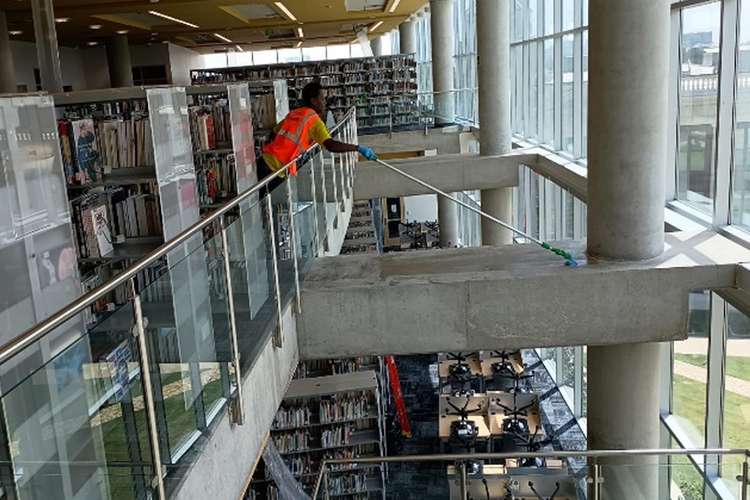
Soot & Smoke Cleanup: Systematic removal of soot residue and smoke deposits from all affected surfaces and building materials, including shared mechanical systems and occupied floors with no direct fire contact.
Odor Removal & Deodorization: We treat smoke odor at the material level across the full affected footprint so the property is safe and fully habitable upon project completion.
Content Cleaning & Restoration: Professional cleaning and recovery of FF&E, fixtures and equipment to reduce replacement costs and shorten the overall restoration timeline.
Document & Data Recovery: Recovery of business-critical records and data using freeze-drying and professional cleaning to limit permanent loss wherever possible.
Reconstruction Services: Comprehensive restoration of structural integrity, including site containment, temporary shoring, full-scale carpentry and complete exterior envelope reconstruction. Our team accounts for New York City Department of Buildings permitting requirements and, where applicable, New York City Landmarks Preservation Commission review obligations from the start of every project.
Commercial Mold Damage Restoration in New York, NY
New York City's below-grade commercial spaces carry a mold exposure profile that has no equivalent in other markets. The city's dense development, subway infrastructure and high water table create persistent groundwater pressure against basement walls and below-grade foundations throughout the five boroughs. Commercial properties with below-grade retail, storage, mechanical rooms or office space face a moisture ingress risk that exists independent of any surface flooding or internal water loss event. Superstorm Sandy's storm surge compounded this exposure significantly. Properties in Lower Manhattan, Red Hook and the Rockaways that flooded in October 2012 experienced secondary mold development in the months following the storm, including in wall assemblies and ceiling spaces that appeared dry at the surface. Hurricane Ida's 2021 flooding created a second wave of post-flood mold exposure across commercial basements and ground-floor spaces throughout the city. New York's pre-war commercial building stock adds a third dimension because original construction methods did not include vapor barriers or modern moisture management systems, allowing ambient moisture to migrate into wall assemblies without triggering visible surface indicators.
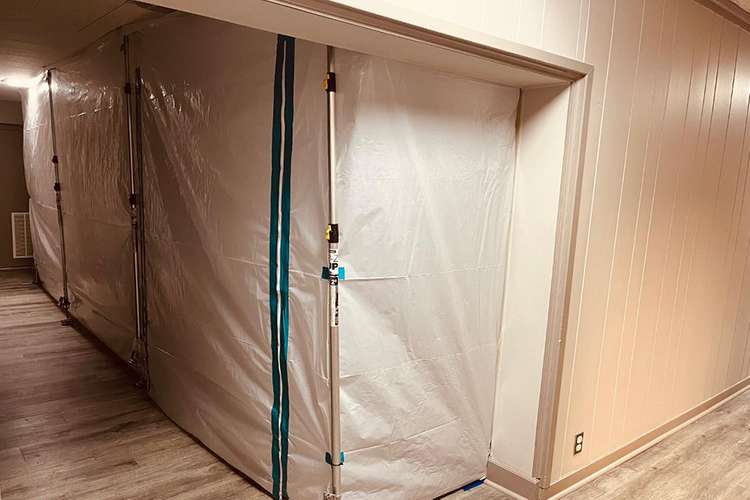
Our New York commercial mold damage restoration process begins with containment to prevent spore migration beyond the affected area. We remove mold-impacted materials, treat affected surfaces, restore indoor air quality to a measurable and verifiable level and provide complete project documentation at close. New York City's commercial real estate market is the largest and most active in the country, and that documentation gives property owners and tenants a clear, defensible record for insurance claims, lease negotiations and future property transactions.
- Mold Containment & Removal
- Air Filtration & Scrubbing
- Surface Treatment
- Post-Remediation Verification
Commercial Storm Damage Restoration in New York, NY
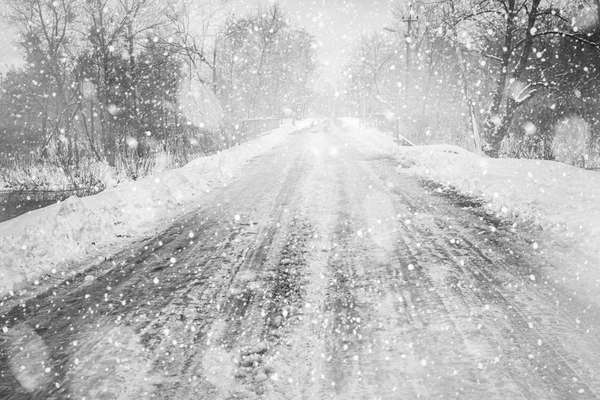
Superstorm Sandy demonstrated on October 29, 2012 what a direct storm surge event does to New York City's commercial property inventory. The surge overwhelmed seawalls and flood barriers along the Hudson and East River waterfronts, pushing saltwater into ground-floor and below-grade commercial spaces across Lower Manhattan, Red Hook, the Rockaways and large portions of Staten Island simultaneously. The volume of commercial losses across the five boroughs exceeded $19 billion and exposed how many commercial properties in low-lying corridors carried no meaningful storm surge protection. Hurricane Ida's remnants produced a structurally different storm damage event nine years later, with record rainfall overloading the city's drainage infrastructure rather than storm surge driving the damage. Both events require distinct response protocols because saltwater intrusion from storm surge demands different treatment procedures than freshwater flooding from rainfall-driven drainage failure.
Beyond our core New York commercial damage restoration services, we provide the following for commercial properties throughout New York City and the surrounding metro area:
Other Commercial Services In New York, NY
Cotton GDS has been providing restoration since 1996 and is your trusted partner when it comes to getting your business back to its pre-event state. In addition to water damage mitigation, fire damage restoration and mold removal and remediation, Cotton GDS offers the following services:
The Cotton Difference for New York City
Cotton GDS brings the national resources of a commercial restoration organization that has been operating since 1996 to New York City commercial property losses. Unlike local-only contractors whose capacity is limited to their immediate market, our national network allows us to scale response resources to match the scope of any event, including the large-scale simultaneous commercial losses that New York City has experienced during major storm events when local response capacity is overwhelmed. Commercial restoration services in New York require experience with the full range of challenges specific to this market, from the structural complexity of pre-war buildings to the regulatory requirements of the New York City Department of Buildings and the documentation standards that New York carriers expect from commercial claims.
24/7 Response Capability: Our team is available around the clock and deploys with commercial-scale equipment sized for the building types and loss profiles common in New York City, not residential tools scaled up for a larger job.
National Resource Network: When a New York commercial loss requires resources beyond what a single market can supply, our national organization provides the crew capacity, equipment inventory and project management infrastructure to respond at scale.
Trusted by Commercial Property Managers: With nearly 30 years of commercial restoration experience, we have the track record and resources that facility managers and property owners across New York City can depend on when a loss occurs.
Adherence to OSHA Standards: We operate in full compliance with all local, state and federal regulations on every project, including the specific requirements that apply to commercial restoration work in New York City.
Commercial-Grade Equipment: We deploy industrial-scale extraction, drying and remediation equipment purpose-built for commercial facilities, not residential tools repurposed for a larger job.
Documentation for New York Claims: We document conditions from the first day on-site with moisture readings, photographs and material inventories and communicate directly with your adjuster throughout the project. New York commercial property claims carry documentation requirements that differ from standard single-cause claims, and our team is experienced with what New York carriers need to process those claims efficiently.
Contact Cotton GDS for New York commercial damage restoration and repair and put our experience to work for your property.
Cotton’s Service Areas Near New York, NY:
Manhattan: Chelsea, Upper East Side, Upper West Side, Greenwich Village, Harlem, etc.
Brooklyn: Williamsburg, Brooklyn Heights, Park Slope, Bed-Stuy, etc.
Queens: Long Island City, Astoria, Flushing, Jamaica, Forest Hills, etc.
The Bronx: Riverdale, Fordham, South Bronx, etc.
Staten Island: St. George, Staten Island Mall area, Tottenville, etc.
Frequently Asked Questions About Commercial Damage Restoration in New York City
How does the age of New York City's commercial building stock affect water damage restoration?
Pre-war commercial buildings in New York contain original plumbing, steam heating systems and cast iron drain lines that modern commercial buildings do not have. When these systems fail, they do so in ways that modern buildings do not because the original pipe routes, material composition and installation methods create failure points that current plumbing standards do not permit. Steam heating pipe failures in particular can release both water and pressurized steam into wall cavities and ceiling assemblies simultaneously, driving moisture deeper into structural materials than a standard cold water pipe failure would. The density of the building envelope in pre-war construction also limits airflow during drying, which extends the time required to reach target moisture content levels and increases the probability of secondary mold development if drying is not properly monitored throughout the process.
How does commercial fire damage restoration differ between a Midtown high-rise and a pre-war commercial building in Brooklyn or Queens?
In a Midtown high-rise, the primary challenge is vertical smoke migration through shared mechanical systems, elevator shafts and stairwells that carry smoke from the fire floor into occupied areas throughout the building before suppression is complete. The assessment scope must extend above and below the fire floor to capture the full migration footprint. In a pre-war commercial building in Brooklyn or Queens, the primary challenge is lateral smoke migration through original uninsulated wall cavities, original ductwork and the shared walls that connect adjacent commercial properties. In both cases, the visible damage at the point of origin significantly understates the true scope of the restoration required, and establishing the full migration footprint before committing to a scope is the most important step in the process.
What is the difference between the Hurricane Ida flooding and Superstorm Sandy flooding for commercial restoration purposes?
Sandy's flooding was primarily driven by storm surge, which pushed saltwater from New York Harbor into coastal commercial corridors and below-grade spaces throughout the five boroughs. Saltwater carries corrosive minerals and organic contaminants that require different treatment protocols than freshwater and accelerate structural deterioration if not addressed promptly. Hurricane Ida's 2021 flooding was driven by rainfall overwhelming the city's drainage infrastructure, which delivered freshwater mixed with stormwater runoff into commercial basements and ground-floor spaces throughout the city without any storm surge involvement. The two flooding types require different initial assessment steps because the water source, contaminant load and structural penetration pattern differ significantly.
How does Cotton GDS handle commercial water mitigation in a New York City building with below-grade commercial space?
Below-grade commercial spaces in New York City present specific challenges during commercial water mitigation because the water table and groundwater pressure in much of the city means moisture can continue entering a below-grade space even after the primary flood source has been addressed. Standard extraction removes the surface water but does not eliminate groundwater infiltration through foundation walls and floor slabs, which can continue introducing moisture into the space during drying. Our assessment process identifies all active moisture sources before we establish the drying plan, and we monitor readings throughout the process rather than assuming that initial extraction resolves the source. For commercial properties in the Sandy-affected flood corridors, we also assess for residual saltwater mineral deposits in below-grade structural materials that can continue wicking moisture into walls long after the visible flooding has been resolved.
Does Cotton GDS coordinate directly with commercial insurance adjusters in New York?
Yes. We document conditions from the first day on-site, including moisture readings, photographs and material inventories, and we communicate directly with your adjuster throughout the project. New York commercial property claims, particularly those involving storm surge, multi-source flooding or losses in pre-war buildings where original materials carry different replacement cost considerations, require documentation that differs from standard single-cause water damage claims. Our team is experienced with what New York carriers and adjusters need to process those claims efficiently and without unnecessary delays.
How long does New York City commercial damage restoration typically take?
Timeline depends on the type of loss, the building type and how quickly mitigation began. A contained water loss in a modern commercial space can typically be dried and restored within two to three weeks from the start of extraction. A loss in a pre-war commercial building involving steam system failure or deep moisture penetration into original materials can extend the drying phase considerably beyond that standard timeline. A fire loss in a Midtown high-rise involving smoke migration across multiple floors may require several months when structural reconstruction and New York City Department of Buildings permitting are included in the scope. We provide a project-specific assessment at the outset of every engagement so facility managers can plan accordingly.