Commercial Damage Restoration & Repair in Conway, SC

Commercial Water, Fire and Mold Damage Restoration in Conway, South Carolina

  • Image-2 (1).jpeg
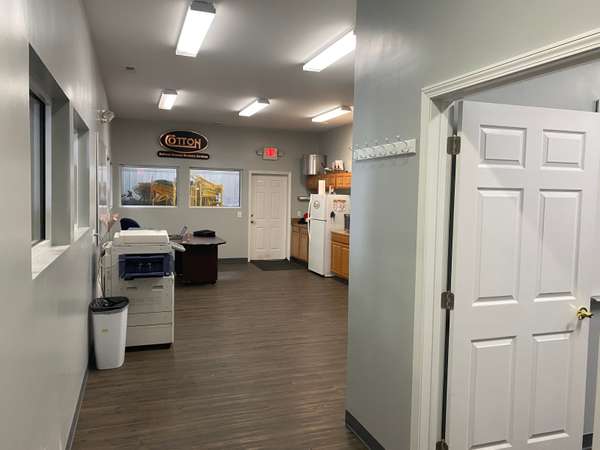
  • Office Location: 2939 State Highway 65, Conway, South Carolina 29526
  • Contact: 877.900.0493
  • Location: 14 minutes from Conway-Horry County Airport, 15 minutes from Lake Busbee and 20 minutes from Myrtle Beach
  • Cotton Global Disaster Solutions has been responding to commercial property damage events since 1996. We serve Conway businesses around the clock, providing Conway, SC commercial damage restoration and repair services for water, fire, mold and storm losses across Horry County and the Grand Strand. From commercial properties along the Waccamaw River corridor to hospitality operations in Myrtle Beach and industrial facilities throughout the region, our team is available 24/7 with commercial-scale equipment and the coordination needed to limit your downtime and return your property to pre-loss condition. With state-of-the-art technology and turnkey restoration solutions, you can rest assured your Conway facility will receive professional service whenever you need it.

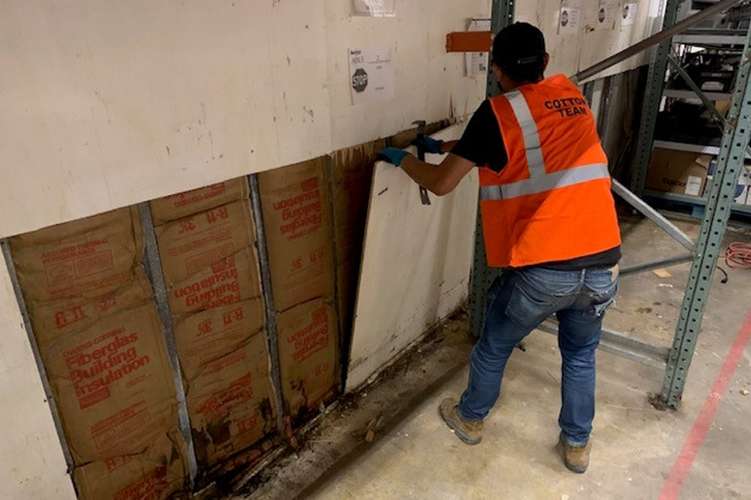
Cotton GDS commercial disaster solutions team repairing water damage in Conway, SC

Commercial Water Damage Restoration in Conway, SC

Conway sits on the Waccamaw River in Horry County, one of the most flood-vulnerable counties in South Carolina, and that geography shapes everything about how we approach commercial water damage response in this market. Hurricane Florence made that exposure undeniable in September 2018 when it stalled over the Carolinas and produced record-breaking rainfall that caused catastrophic flooding across Horry County. The Waccamaw River crested at historic levels in the days following the storm, inundating commercial properties throughout Conway well after the rain had stopped, as upstream floodwaters continued pushing downstream through the river system. Hurricane Dorian followed less than a year later in 2019 and produced additional significant flooding across the same corridor. The combination of a low-lying geography, a slow-moving river system and a coastline exposed to Atlantic hurricane systems means that commercial water loss risk in Conway is not a seasonal concern. It is a year-round operational reality that requires a restoration partner with the equipment and experience to respond at scale.

When we respond to a Conway, SC commercial water damage restoration call, we extract standing water, map moisture throughout the structure using calibrated instruments and begin active drying with industrial equipment immediately. We document every condition throughout the process to support your insurance claim and deliver a full moisture log at project close.

  • Water Extraction: Rapid removal of standing water to stop damage from spreading into structural materials.

  • Drying & Dehumidification: Industrial drying equipment calibrated for the moisture load and building type.

  • Content & Document Drying: Recovery of furnishings, equipment and business-critical records.

  • Moisture Mapping: Comprehensive assessment to confirm all affected areas are identified and fully dried before restoration closes out.

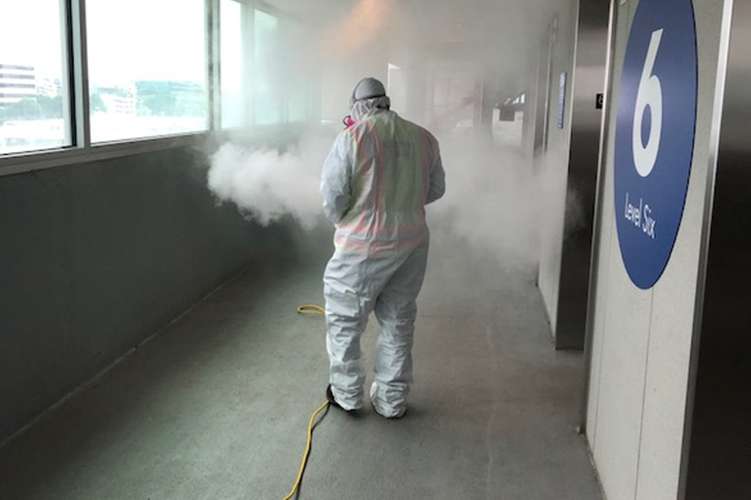
Cotton GDS commercial disaster solutions repairing fire damage in Conway, SC

Commercial Fire Damage Restoration in Conway, SC

The Grand Strand's hospitality sector is one of the most concentrated along the East Coast, and Conway serves as the commercial and logistical backbone of that market. Hotels, restaurants, retail centers and entertainment properties throughout Horry County depend on the services and supply operations that run out of the Conway area, and a fire event in any of those facilities creates a ripple effect across the broader regional economy. Conway's commercial inventory also includes a mix of older construction in the downtown historic district where original wood-frame and masonry buildings provide pathways for smoke and soot to migrate beyond the fire's point of origin more readily than modern construction.

Our Conway, SC commercial fire damage restoration team evaluates the full scope of secondary damage across the entire affected footprint, coordinates directly with your insurance adjuster and manages every phase of recovery under a single engagement.

  • Soot & Smoke Cleanup: Systematic removal of soot residue and smoke deposits from all affected surfaces and building materials.

  • Odor Removal & Deodorization: Eliminating smoke odor from building materials and shared spaces so the property is safe and fully habitable.

  • Content Cleaning & Restoration: Professional cleaning and recovery of FF&E, fixtures and equipment to reduce replacement costs and shorten the overall restoration timeline.

  • Document & Data Recovery: Recovery of business-critical records and data using freeze-drying and professional cleaning to limit permanent loss.

  • Reconstruction Services: Returning your commercial property to pre-loss condition through structural repairs, interior build-out, carpentry, electrical, mechanical, plumbing and complete exterior envelope work.

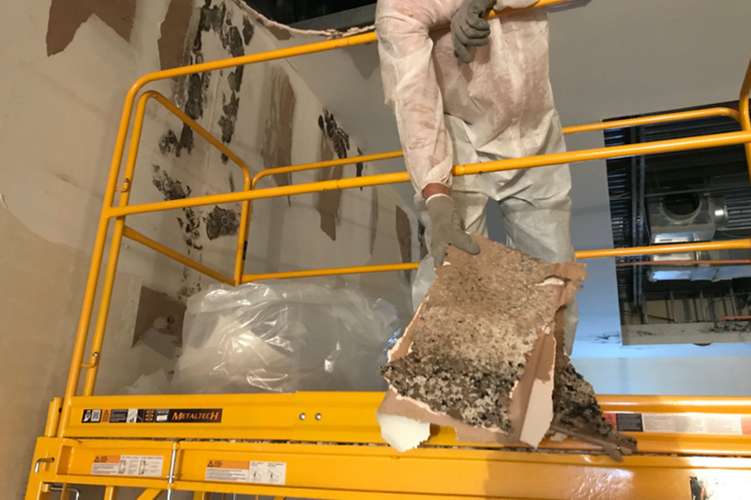
Cotton GDS commercial disaster solutions team restores mold damage  in Conway, SC

Commercial Mold Damage Restoration in Conway, SC

Horry County's humid subtropical climate produces some of the highest average relative humidity levels on the East Coast, consistently above 70% for most of the year and regularly climbing higher during the summer months. In a commercial building, that baseline moisture environment means the conditions mold requires are present before any water intrusion event occurs. A slow HVAC condensate drain, a minor roof penetration or residual moisture from a flooding event that was not fully dried can initiate mold growth within 24 to 48 hours. The extensive flooding Conway experienced following Hurricanes Florence and Dorian created a secondary mold exposure across the region in the months that followed. Properties where water losses were not fully mitigated or where drying was incomplete developed mold growth inside wall assemblies and below finished surfaces long after the visible floodwater had receded.

Our Conway, SC commercial mold damage restoration process begins with containment to prevent spore migration beyond the affected area. We remove mold-impacted materials, treat affected surfaces, restore indoor air quality to a measurable and verifiable level and provide complete project documentation at close. For commercial properties throughout Horry County operating in the hospitality, healthcare and retail sectors, that documentation provides a clear and defensible record for insurance claims, lease negotiations and future property transactions.

  • Mold Containment Setup
  • Decontamination of Affected Area
  • Selective Demolition & Reconstruction
  • Antimicrobial Application

Additional Commercial Damage Services in Conway, SC

Damage events in Horry County frequently involve more than one failure point. A hurricane can deliver storm surge, wind damage, roof failures and extended riverine flooding within the same event, requiring coordinated recovery across multiple service lines from a single point of contact. Beyond our core Conway, SC commercial damage restoration services, we provide the following for commercial properties throughout the Carolinas and surrounding areas:

The Cotton Difference for Conway

Cotton GDS is locally positioned in Conway, which means our team is already in Horry County when a loss occurs rather than mobilizing from a distant location. That matters in a market where flood events can affect large geographic areas simultaneously, stretching response capacity across the entire Grand Strand at once. Our local presence, combined with the national resources of the Cotton organization, gives Conway and Horry County businesses access to a scale of equipment and operational coordination that local-only contractors cannot match.

Local Conway Office: Our team operates from 2939 State Highway 65 in Conway, giving us direct access to commercial properties throughout Horry County without the mobilization delays that come with out-of-market contractors.

24/7 Situational Awareness: Our Business Intelligence Center monitors Atlantic storm systems and rainfall events across coastal South Carolina year-round, allowing us to pre-position equipment and personnel before conditions deteriorate so we can begin response the moment damage occurs.

Pre-Loaded Fleet for Immediate Dispatch: Equipment is staged and ready to deploy throughout Conway, Myrtle Beach and the surrounding Grand Strand region, reducing the time between the damage event and the start of active mitigation.

Trusted by Conway Businesses: With nearly 30 years of commercial restoration experience, we have the track record and resources that facility managers and property owners across Horry County can depend on when a loss occurs.

Adherence to OSHA Standards: We operate in full compliance with all local, state and federal regulations on every project, regardless of scope or complexity.

Commercial-Grade Equipment: We deploy industrial-scale extraction, drying and remediation equipment purpose-built for commercial facilities, not residential tools repurposed for a larger job.

Contact Cotton GDS for Conway, SC commercial damage restoration and repair and put our experience to work for your property.

Cotton's Service Areas Near Conway, South Carolina

        • Aiken

        • Anderson

        • Apex

        • Asheville

        • Bluffton

        • Burlington

        • Cary

        • Chapel Hill

        • Charleston

        • Charlotte

        • Columbia

        • Concord

        • Conway

        • Durham

        • Fayetteville

        • Florence

        • Fort Mill

        • Gastonia

        • Goose Creek

        • Greensboro

        • Greenville

        • Greenville

        • Greenwood

        • Greer

        • Hanahan

        • Hickory

        • High Point

        • Hilton Head Island

        • Holly Springs

        • Huntersville

        • Indian Trail

        • Jacksonville

        • Kannapolis

        • Mauldin

        • Mount Pleasant

        • Myrtle Beach

        • North Augusta

        • North Charleston

        • Raleigh

        • Rock Hill

        • Rocky Mount

        • Simpsonville

        • Socastee

        • Spartanburg

        • Summerville

        • Sumter

        • Wake Forest

        • Wilmington

        • Wilson

        • Winston-Salem

Frequently Asked Questions About Commercial Damage Restoration in Conway, SC

Why does the Waccamaw River flood days after a storm has passed?

The Waccamaw River drains a large watershed that extends well north of Horry County into North Carolina. When a major storm system delivers heavy rainfall across that entire watershed, the river continues rising for days as upstream water moves downstream through the system. This means Conway commercial properties can experience their worst flooding after a storm has already moved out of the region and the immediate threat appears to have passed. It also means that properties well inland from the coast, which may not associate themselves with hurricane flood risk, can sustain significant riverine flooding from storms that made landfall far to the south or north of Conway.

How does Horry County's flood history affect commercial property insurance requirements?

Horry County has one of the highest concentrations of properties in federally designated Special Flood Hazard Areas in South Carolina. Commercial properties within these zones are typically required to carry flood insurance as a condition of their mortgage, and even those outside designated zones have purchased coverage given the documented frequency of flooding events in the area. Following Hurricane Florence and Hurricane Dorian, many commercial property owners in Conway and the surrounding region encountered coverage disputes related to the distinction between wind damage, storm surge and riverine flooding, which are often covered under separate policy provisions. Thorough documentation from the start of a loss event is essential for navigating those distinctions during the claims process, which is why we begin formal documentation on the first day of every engagement.

Does Cotton GDS have experience with large-scale commercial flood events that affect multiple properties simultaneously?

Yes. The Grand Strand and Horry County have experienced multiple large-scale flooding events in recent years where commercial properties across the region were affected simultaneously. Our Business Intelligence Center monitors storm systems approaching coastal South Carolina, which allows us to pre-position equipment and crews before a storm arrives rather than competing for resources after one has already impacted the area. When a regional event generates losses across multiple client properties at once, our national resource network allows us to scale response capacity beyond what a single local office could deploy independently.

What is the difference between storm surge flooding and riverine flooding for commercial restoration purposes?

Storm surge flooding is driven by wind and low pressure pushing ocean water onto land during a coastal storm. It arrives quickly, carries saltwater and organic sediment and typically recedes relatively soon after the storm passes. Riverine flooding, which is the primary threat in Conway due to the Waccamaw River, builds more slowly as upstream rainfall collects and moves downstream through the river system. It can persist for days or weeks after a storm has passed and the water it delivers is freshwater mixed with soil, debris and agricultural runoff. The two flooding types require different assessment and treatment approaches, and in some events, a commercial property in Conway can experience both in sequence within the same storm.

Does Cotton GDS handle commercial mold remediation in occupied Conway hospitality properties?

Yes. Containment barriers are established at the outset of every remediation project to isolate the affected area from occupied portions of the building. For hospitality properties where guest operations need to continue in unaffected areas, we sequence the work to minimize operational disruption. The size of the contaminated area, the building's HVAC configuration and the scope of materials requiring removal all factor into the occupancy determination. We assess the specific situation at the start of every project and communicate a clear plan before work begins.

Does Cotton GDS coordinate directly with commercial insurance adjusters in South Carolina?

Yes. We document conditions from the first day on-site, including moisture readings, photographs and material inventories, and we communicate directly with your adjuster throughout the project. South Carolina commercial property claims following major flooding events carry documentation requirements that differ significantly from standard single-cause water damage claims, particularly when a loss involves both storm damage and subsequent riverine flooding under separate policy provisions. Our team is experienced with what South Carolina carriers and adjusters need to process those claims without unnecessary delays.

How long does Conway, SC commercial damage restoration typically take after a major flood event?

Timeline depends on the extent of the flooding, how long water was present in the structure, the building materials involved and how quickly mitigation began. A commercial property that experienced limited water intrusion from a single storm event and received prompt extraction can typically be dried and restored within two to four weeks. A property that sustained extended riverine flooding for several days, as many Conway commercial buildings did following Hurricane Florence, faces a longer timeline due to the depth of moisture penetration into structural materials and the higher probability of secondary mold development. We provide a project-specific timeline at the outset of every engagement based on the actual conditions found during the initial assessment.

CONTACT US TO GET STARTED