Commercial Water And Flood Damage Restoration
Commercial Water Damage Restoration Services
Cotton GDS has delivered commercial water damage restoration services for 30 years, responding to water events in commercial properties of every scale across the country. We are available 24 hours a day, 365 days a year, with a pre-loaded fleet staged for immediate dispatch when you call. We manage every phase under a single contract, from emergency response through final repairs, so your team has one point of contact throughout the project.
The commercial properties we serve include hotels and resorts, multifamily and senior living communities, hospitals and healthcare facilities, retail centers, manufacturing and distribution facilities, commercial office buildings, educational campuses and government properties. Whatever the source of the loss, our crews arrive equipped for the actual scope of the damage.
For immediate help with water damage and flooding, CALL 877.511.2962
CONTACT A WATER DAMAGE RESTORATION EXPERT
Commercial Water Damage Restoration Services We Provide
Cotton manages the full scope of commercial water damage restoration services under one contract. Our teams are equipped for the specific demands of commercial and industrial facilities, where building systems, scale and documentation requirements differ significantly from residential work. Whether the event requires business water damage cleanup in an occupied office building or a full industrial water remediation response in a manufacturing facility, we bring the right equipment and personnel for the scope. Our commercial water mitigation capabilities cover every phase from initial extraction through structural clearance.
Rapid Response and Mobilization
Desiccant/Refrigerant Drying
Anti-Microbial Product Applications
Cleaning and Decontamination of Heating and Air Conditioning System
Wet Document and Vital Records Recovery and Restoration, Including Freeze-Drying Services
Removal and Disposal of Wet Materials
Content Cleaning, Manipulation, and Inventory
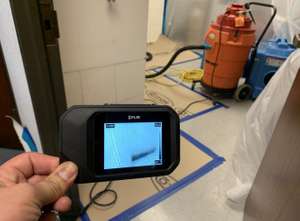
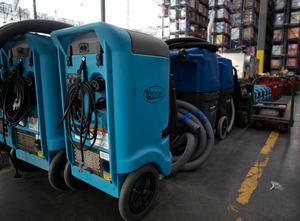
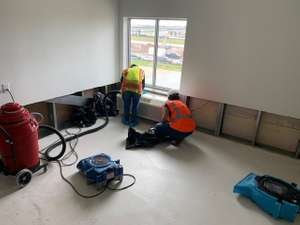
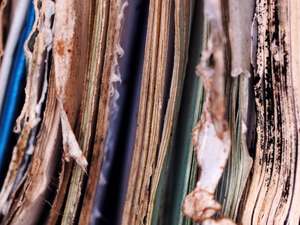
Emergency Water Extraction and Commercial Flood Cleanup
When standing water is present in a commercial building, the extraction phase cannot wait. Every hour water remains in contact with flooring, wall assemblies, insulation and building systems increases the scope of damage and the cost of recovery. Our emergency water extraction capabilities are built for commercial scale, with equipment capable of handling large floor plates, below-grade spaces and multi-area flood events. For commercial flood restoration following severe weather, infrastructure failure or sprinkler system discharge, we mobilize rapidly with the personnel and equipment the job requires from the first dispatch. Commercial flood cleanup involving sewer backup, storm surge or groundwater intrusion requires handling protocols specific to contaminated water categories, and our teams are trained for all water classifications. Once extraction is complete, we manage the removal and disposal of all wet and non-salvageable materials as part of our scope, so there is no coordination gap between mitigation and the start of structural drying.
Structural Drying and Dehumidification
After extraction is complete, the work of commercial water remediation continues inside wall cavities, subfloor assemblies, ceiling systems and mechanical spaces. Moisture that is not addressed at the structural level will cause ongoing damage and create conditions for microbial growth even after visible water has been removed. We deploy desiccant and refrigerant drying systems based on the materials affected and the environmental conditions of the space, sizing the equipment load to the actual affected area. Structural drying and dehumidification progress is tracked daily through moisture readings recorded in our drying documentation log. Where HVAC systems were exposed to water intrusion, we include cleaning and decontamination of air handling equipment in the restoration scope. Anti-microbial products are applied to affected surfaces where microbial growth risk is identified. For industrial water remediation in manufacturing or distribution facilities, our team accounts for the additional complexity of concrete slabs, equipment pads and large open spans that require different drying strategies than standard commercial construction.
Document, Content and Electronics Recovery
Commercial water events frequently affect more than the building structure. Business records, vital documents, electronic equipment and tenant contents require specialized recovery processes that sit outside standard construction restoration. We provide wet document and vital records recovery and restoration, including freeze-drying services for paper materials that cannot be air-dried without permanent loss. Content cleaning, manipulation and inventory is handled on-site or off-site depending on the scope of the loss. Electronics and data recovery is included in our commercial water damage restoration services, and we handle that work directly rather than referring it to a third party, so there is no coordination gap for the property owner to manage. For sites where the water event has affected power infrastructure, we also provide emergency power to keep critical systems operational while restoration is underway.
Common Causes and Types of Commercial Water Damage
Understanding what caused the loss and how water has been classified affects both the restoration approach and the insurance claim. The response protocol for a clean water pipe burst is different from a sewage backup, and knowing the difference helps your team ask the right questions when you call.
Common causes of commercial water damage include:
Burst or leaking pipes
Roof leaks or structural failures
Sewer backups or drainage system failures
HVAC or appliance malfunctions
Fire sprinkler discharge or suppression system activations
Severe weather events including heavy rain, hurricanes and flooding
Foundation or slab leaks
Construction defects or failed waterproofing
Water damage is classified into three categories based on contamination level:
Category 1 — Clean Water: Originates from a sanitary source such as a broken supply line or appliance leak. Least harmful if addressed quickly, but can degrade to Category 2 if left standing.
Category 2 — Gray Water: Carries some level of contamination and can cause discomfort or illness on contact. Common sources include overflow from dishwashers, washing machines or toilet overflow without solid waste.
Category 3 — Black Water: Highly contaminated water containing bacteria, pathogens or other harmful agents. Sources include sewage backups, storm drain overflow and floodwater from external sources. Category 3 events require removal of all porous materials and more extensive decontamination protocols throughout the affected area.
Our Commercial Water Damage Restoration Process
When a water event hits a commercial building, the decisions made in the first hours determine how much of the structure can be saved and how quickly operations can resume. Our process is designed for 24 hour commercial water cleanup at commercial scale, accounting for the documentation requirements and safety protocols that distinguish a commercial loss from a residential one.
When we arrive on-site, our team conducts an immediate safety assessment to clear the path into affected areas and identify electrical or structural hazards before extraction begins. We deploy extraction equipment and begin removing standing water while simultaneously setting drying equipment to prevent ongoing damage from spreading through unaffected areas. Once the emergency phase is stabilized, we develop a Rough Order of Magnitude, a detailed scope document accompanied by a moisture map, which gives you and your insurance carrier a clear picture of affected areas and projected costs before additional work proceeds. After ROM approval, non-salvageable materials are removed. In buildings with older construction where asbestos-containing materials may be present, an asbestos survey is required before removal begins, and we coordinate that process as part of our project scope. From that point, our team records daily moisture readings against the drying log until the structure meets established drying standards.
If you discover the loss before our team arrives, shut off water at the source if the intrusion is from a plumbing or mechanical failure and cut power to affected areas if it is safe to do so. Document the damage with photos and video before moving anything. Avoid removing wet materials without guidance, as improper removal can cause secondary damage or create conditions for accelerated microbial growth.
Working With Insurance on Commercial Water Damage Claims
Commercial water damage claims require documentation, adjuster coordination and scope management that can stall the entire recovery if not handled actively from the start. We have worked alongside insurance carriers since 1996, and our processes are built to support the claim rather than create friction with it.
Our team develops detailed scope documentation covering water damage mitigation services, structural damage and contents, which gives adjusters the information they need to evaluate the loss and approve work without unnecessary delays. We communicate directly with the adjuster assigned to your loss to align on scope and pricing before disagreements extend the project timeline. Regular updates keep all parties informed, and our invoicing structure is aligned with how carriers process and release payments.
A concern we hear frequently from building owners and property managers is whether beginning commercial water damage cleanup before an adjuster arrives will complicate the claim. It will not. Your carrier wants mitigation to begin immediately to limit their exposure. What matters is that the damage is thoroughly documented before and during removal, which is exactly what our ROM, moisture mapping and daily monitoring records are designed to provide.
THE COTTON DIFFERENCE
Cotton GDS has operated as a national commercial restoration contractor since 1996. We respond to losses of every scale, from a contained water event in a single-tenant office building to multi-site catastrophic events requiring coordinated crew deployment across several states. Every project is managed with dedicated project oversight, direct client communication and full compliance with OSHA standards along with all applicable local, state and federal regulations.
- 24/7 Situational Awareness.
Pre-Loaded Fleet for Immediate Dispatch.
Trusted Global Partner in Restoration, Disaster Recovery and Construction.
Adhere to OSHA Standards, Along with Local, State and Federal Regulations.
Commercial-Grade Equipment and Innovative Thinking.
We Are Available 24/7 and Ready to Respond
When a commercial water event happens, the response starts with a call. Our team is on standby around the clock and our fleet is staged for immediate dispatch. Call 877.900.0493 now or submit a contact form and a Cotton GDS specialist will be in touch immediately.
FREQUENTLY ASKED QUESTIONS
+ How does the presence of asbestos in an older commercial building affect the water damage restoration process?
Asbestos is present in a significant number of commercial buildings constructed before 1980, in materials including floor tiles, pipe insulation, ceiling tiles, joint compound and roofing assemblies. When water damage affects areas where asbestos-containing materials may be present, an asbestos survey is required before any material removal begins. Proceeding without a survey creates legal liability and health risk for everyone on the project. The survey does add a step to the early project timeline, but extraction and structural drying can continue in the meantime, so mitigation is not halted while the survey is completed. We incorporate the asbestos survey and any required abatement into our overall project scope and coordinate that process directly rather than leaving it to the property owner to arrange separately.
+ What is the difference between water mitigation and water restoration, and does Cotton GDS handle both?
Water mitigation refers to the emergency actions taken to stop damage from continuing to spread, including extraction, drying, containment and removal of non-salvageable materials. Water restoration refers to the rebuild phase that follows, returning the property to its pre-loss condition. Many contractors specialize in one or the other, which creates a handoff gap that extends the overall project timeline and adds coordination burden for the property owner. Cotton GDS manages both under a single contract. Our construction division handles the repair and rebuild work directly, so there is no delay between mitigation completion and the start of structural repairs.
+ What does Category 3 black water contamination mean for a commercial building, and how does it change the restoration scope?
Category 3 water includes sewage, floodwaters from external sources and other highly contaminated water carrying bacteria and pathogens. In a commercial building, a Category 3 event changes the restoration scope materially. Porous materials such as drywall, insulation and carpet that might otherwise be dried in place must be removed entirely because they cannot be adequately decontaminated. Personnel working in affected areas require appropriate protective equipment throughout the response. Anti-microbial treatment is applied more extensively, and the documentation requirements for the insurance claim are more detailed than a standard Category 1 water loss. Sewer backups, storm drain overflows and flooding from parking lots or exterior grade all qualify as Category 3, and each requires a response that accounts for contamination control in addition to structural drying.
+ What is a Rough Order of Magnitude, and how does it affect the project timeline?
A Rough Order of Magnitude, or ROM, is a preliminary scope and cost document developed after our initial on-site assessment. It identifies affected areas, records moisture readings, outlines the work required and provides a cost range so that you and your insurance carrier have a clear picture of the project before work proceeds past the emergency phase. The ROM is accompanied by a moisture map, a visual record of where water has migrated within the structure. Having a complete, well-documented ROM in the carrier's hands early in the process reduces the approval delays that commonly extend timelines in commercial water damage restoration projects and serves as the baseline documentation for the entire claim.
+ Can business operations continue in unaffected areas of the building while restoration is underway?
In many cases, yes. The ability to keep operations running in unaffected areas depends on the size of the building, where the damage is located, the access requirements for our equipment and whether the HVAC system serving unaffected areas has been compromised by the water event. We evaluate operational continuity as part of the initial assessment and work with building management to establish equipment staging, access routes and work schedules that limit disruption to occupied spaces. For situations where continued on-site operations are not feasible, our affiliate division Cotton Logistics can deploy temporary facilities, power and support services to keep your team operational during the restoration period.
+ Does Cotton GDS coordinate directly with our insurance adjuster, or do we manage that relationship ourselves?
We coordinate directly with the adjuster assigned to your loss. Our project managers communicate with the carrier throughout the project to align on scope, respond to documentation requests and address coverage questions as they come up. You remain informed and involved in the process, but you do not need to serve as the intermediary between our team and the carrier. That direct line of communication is a consistent part of how we operate and one of the primary factors that keeps claim approvals moving and avoids extended project delays.
ADDITIONAL COTTON ASSISTANCE
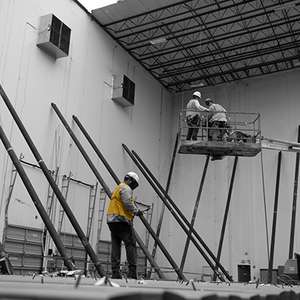
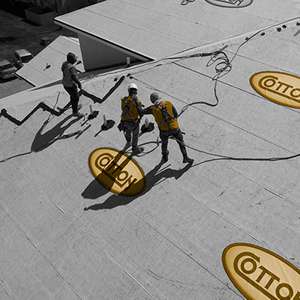
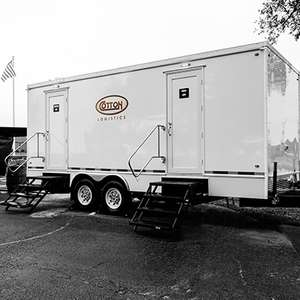
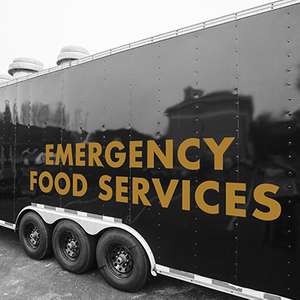
Once the water has been cleared, your business facility might require some structural repairs or renovations. Cotton GDS offers professional Cotton Construction and Cotton Roofing services to repair damages caused by flooding or other water-related incidents. Business operations don’t have to stop while repairs are being done. Cotton Logistics and Cotton Culinary offer reliable, temporary solutions that allow you to continue serving your customers, while we work on restoring your facility.
WE’RE AVAILABLE 24/7 AND READY TO ASSIST. CONTACT AN EXPERT TODAY.
Industries We Serve
-
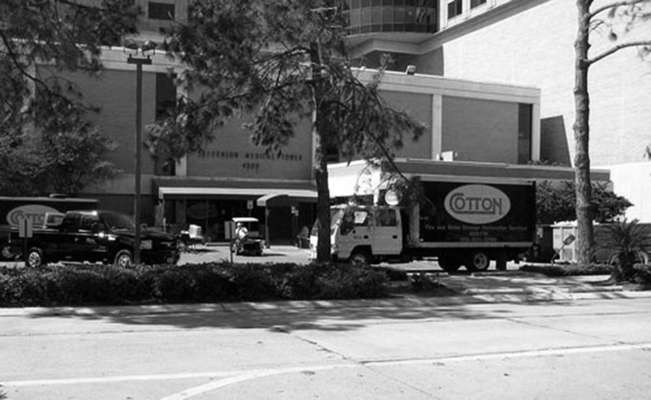
Healthcare
-
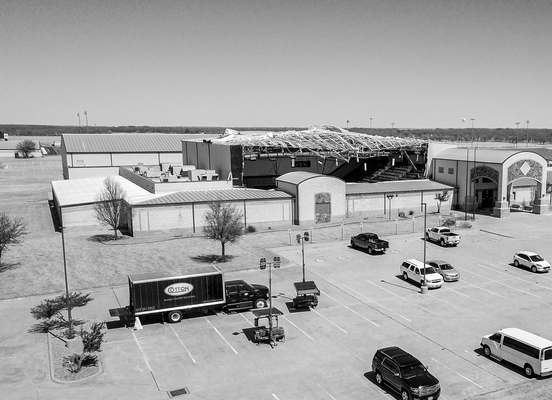
Education
-
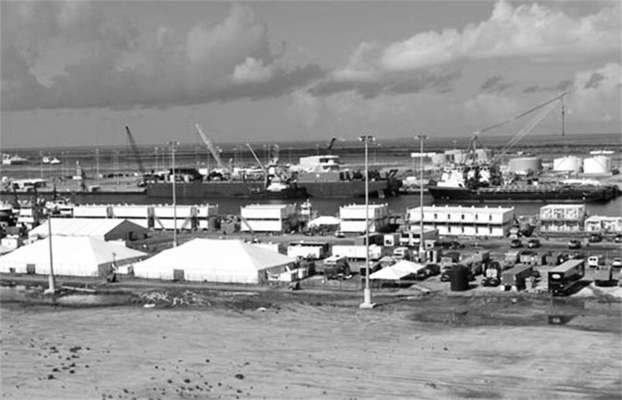
Government
-
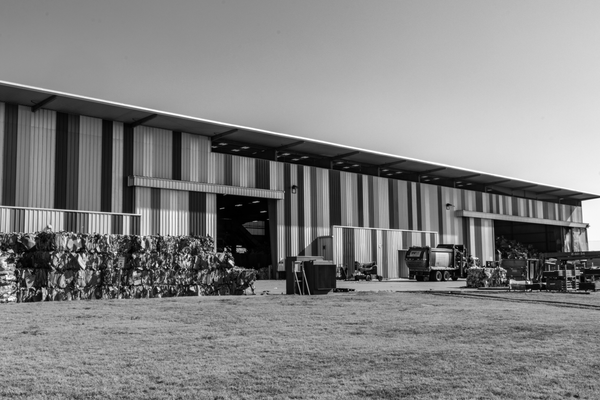
Industrial
-
General Contractors
-
Retail
-
![Financial Services]()
Financial Services
-
![Property Management]()
Property Management
-
![Energy Facilities & Power Plants]()
Energy Facilities & Power Plants